
نقد انیمه Migi & Dali
۱۱ خرداد ۱۴۰۵

Anime Review: Migi and Dali
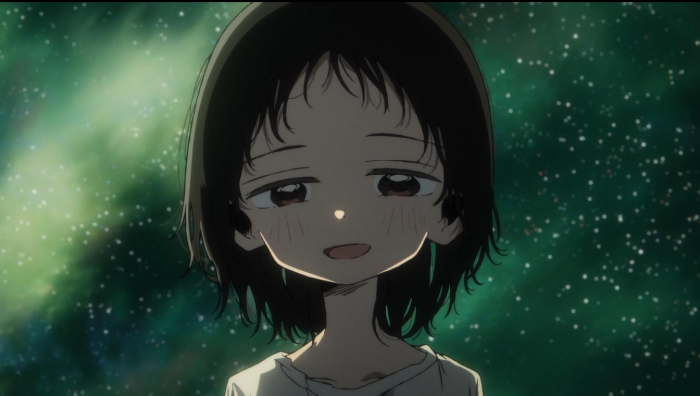
An anime with a bizarre mix of dark comedy, criminal mystery, and twisted psychology that tells the story of twin brothers who, in order to uncover the secret of their mother’s death, infiltrate a wealthy family while posing as a single boy. Beneath its fantasy-like surface, this work delves into profound issues of identity, revenge, and moral corruption.
Strengths:
1. Unique Plot:
· The twins (Migi and Dali) execute an elaborate plan to pass themselves off as “Hana.” This identity fraud and mind game with the Aso family creates breathtaking suspense. 🕵️♂️
· Each episode keeps the audience hooked with the revelation of a new secret or a new shock.
2. Multilayered and Mysterious Characters:
· The Aso Family: Every member of this family has a dirty secret up their sleeve. From the seemingly perfect father to a mother who is emotionally hollow beneath a mask of kindness.
· Migi and Dali: Their strange relationship oscillates between brotherly love and deadly rivalry. This contradiction generates psychological intrigue. 💔
3. Dark and Bitter Humor:
· Scenes like ostensibly elegant parties that are riddled with lies beneath the surface, or the twins’ exaggerated behavior, carry a frightening and intelligent humor.
· Example: The “Dali’s Dance” scene, which is simultaneously hilarious and horrifying! 💃🔪
4. Visuals and Symbolism:
· The character designs with “alien-like” faces and cold color palettes reinforce a sense of discord with society.
· Symbols such as broken dolls or withered flowers in the background hint at the family’s hidden corruption.
Weaknesses:
1. Unbalanced Pacing:
· Some episodes focus too heavily on comedy, diminishing the story’s suspense.
· The final episodes feel somewhat rushed, leaving several questions unanswered.
2. Occasionally Excessive Violence:
· Overly bloody or psychologically intense scenes (such as torture scenes) may be disturbing for some viewers. 🩸
3. Predictability of Certain Twists:
· Traces of some secrets (like the true role of the family’s father) become guessable midway through the story.
Key Themes:
· False Identity: By pretending to be “Hana,” the twins pose a major question: “Is our true identity something we create, or is it imposed by others?”
· Revenge as a Wound: The twins’ quest for vengeance does not heal them; instead, it drags them deeper into a swamp of hatred.
· Corruption in Wealth: The Aso family symbolizes a society where money and appearances conceal moral decay.
Comparison with Similar Works:
· Similar to The Promised Neverland: Both focus on cunning children deceiving adults, but Migi to Dali opts for bitter realism instead of fantasy.
· Evokes the atmosphere of Death Note: The psychological mind games and confrontations between characters are reminiscent of the Light–L dynamic.
Conclusion:
Migi to Dali is an anime that nails you to your seat with an uneasy smile! If you enjoy twist-filled stories with unpredictable characters, this work is well worth watching. However, if you are seeking a fully satisfying ending or lighter humor, you may be disappointed.
Score: ⭐ 8/10 ⭐
If you liked this, also watch:
· Shadow House
· Talentless Nana






دیدگاه های کاربران
اولین نفر باشید دیدگاهی ثبت میکند