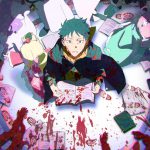
نقد کامل انیمه دونگهوا جاودانه شورشی
۱۲ خرداد ۱۴۰۵

*Renegade Immortal* is a striking entry in the xianxia/donghua space, and its biggest strength is how seriously it treats survival, obsession, and the cost of power. Unlike many cultivation stories that lean heavily on wish fulfillment or quick power fantasies, this series often feels harsh and unforgiving. The protagonist’s journey is shaped less by destiny in a triumphant sense and more by persistence, hardship, and the refusal to die quietly. That gives the story a grim intensity that can be genuinely compelling.
One of the most effective aspects of *Renegade Immortal* is its atmosphere. It presents a world where cultivation is not a clean path to enlightenment, but a brutal hierarchy defined by violence, betrayal, sect politics, and constant existential danger. This helps the series stand out from more generic fantasy power-scaling narratives. When it is at its best, the show makes advancement feel earned rather than automatic, and that sense of struggle gives the protagonist’s growth real weight.
The main character is also a major reason the series works. He is not designed to be particularly charming or easy-going; instead, he comes across as cold, determined, and emotionally scarred. That can make him less immediately likable than some other leads, but it also makes him feel more consistent with the world he inhabits. His drive is rooted in loss and survival, and the series benefits from that sharper emotional edge. Rather than asking viewers to admire him for charisma, it asks them to follow him because his endurance is interesting.
The action and cultivation progression are another highlight. Power increases are often accompanied by clear risks, and the series usually benefits when it emphasizes tactics, resource management, and dangerous breakthroughs instead of simple flashy escalation. In a genre where upgrades can sometimes feel mechanical, *Renegade Immortal* does a decent job of making advancement feel consequential. The stakes are not just “can he get stronger,” but “what will this strength cost him, and what kind of person will he become because of it?”
That said, the series is not without flaws. Like many long-form cultivation stories, it can become repetitive in structure: conflict, breakthrough, new enemy, higher realm, repeat. If the emotional or thematic variation is not strong enough, this formula can start to feel familiar. Some viewers may also find the tone too severe, since the story often favors coldness and struggle over warmth or levity. That intensity is part of its identity, but it can also make the viewing experience feel exhausting rather than uplifting.
Another limitation is that character depth outside the protagonist can be uneven. While the main character is often compelling, some supporting figures and relationships may serve more as functions of the plot than fully developed emotional anchors. That is a common issue in the genre, but it still matters, especially in a story that relies so heavily on long-term investment. If the side cast does not remain memorable, the world can start to feel like a series of obstacles rather than a living social structure.
Overall, *Renegade Immortal* is a strong donghua for viewers who want a darker, more serious cultivation story with real adversity and a protagonist shaped by suffering rather than convenience. Its best qualities are its uncompromising tone, its sense of earned progression, and its willingness to make power feel dangerous. Its weaknesses are the familiar genre repetition and occasional emotional dryness. Still, as a cultivation drama, it has enough intensity and identity to stand out.









دیدگاه های کاربران
اولین نفر باشید دیدگاهی ثبت میکند